What to Send Instead of Flowers at a Funeral (And When Flowers Are Still Best)

The Quiet Anxiety Around Funeral Etiquette
There’s a moment most people recognize but rarely talk about
You hear that someone has passed away. Your first instinct is to send flowers. Then the hesitation begins. Is that still the right thing? Should I send something else? Would a donation be more respectful?
This uncertainty has grown in recent years as funeral customs evolve. Some families request charitable contributions. Others ask for privacy or minimalist services. At the same time, long-standing traditions, particularly floral tributes, still carry deep emotional meaning.
The confusion isn’t really about gifts. It’s about how people participate in grief.
Behavioral research has shown that rituals connected to loss help people regain a sense of control and emotional grounding during difficult moments. Harvard Business School research on mourning rituals found that structured gestures, whether lighting candles, attending services, or sending tributes, can meaningfully reduce feelings of grief by giving people a symbolic action to perform. The Power of Rituals in Life, Death, and Business
That insight reframes the question. The issue isn’t simply what to send. It’s how the gesture functions within the ritual of mourning.
When a Donation Makes More Sense Than Flowers
Charitable donations have become one of the most common alternatives to funeral flowers.
Families often request contributions to a medical foundation, local hospice, or a cause connected to the person’s life. In these situations, the donation becomes a way to carry the person’s legacy forward.
A memorial donation helps turn loss into something positive. It supports a cause that mattered to the person. This could be a scholarship fund, a research organisation, or community work the person cared about.
It can also respect the family’s wishes. There is no delivery to arrange or logistics to manage during a difficult time.
Donations aren’t always the right choice. If the family doesn’t mention a charity, giving money can feel impersonal. Context matters. Even if it’s thoughtful for you, it might feel distant to another person.
Practical Support Often Carries the Most Weight
Another alternative is the practical support. Instead of flowers, friends sometimes send prepared meals, grocery deliveries, childcare assistance, or even simple errands like house cleaning. These gestures rarely appear in traditional etiquette guides. But they become the most appreciated.
The reason why it matters is that grief disrupts everyday routines. Cooking, shopping, and organizing daily tasks can feel overwhelming during the first few weeks after a loss.
Providing practical help can change the focus from sympathy to tangible support. It reduces the cognitive load on the family at a moment when emotional energy is already depleted.
Interestingly, grief research has repeatedly shown that communal participation plays a key role in recovery. Shared acts of care, whether preparing meals or organizing memorial gatherings, strengthen social bonds and reinforce the idea that mourning is not a solitary experience.
In that sense, practical support functions as a modern extension of traditional mourning rituals.
Memory-based tributes are on the rise.
Increasingly, most people focus on the memory they make when giving gifts.
Examples include:
- Photo albums filled with shared memories
- A framed portrait of the deceased
- A planted tree or memorial garden
- A handwritten letter describing the person’s impact
These gestures shift the emphasis from mourning to storytelling. Psychologists refer to this as maintaining “continuing bonds”. It defines that relationships with loved ones persist through memory, ritual, and symbolic objects even after death.
Memory-based tributes support that process. They help families reflect on the life that was lived rather than focusing exclusively on the loss.
That said, these gifts usually work best when there’s a close personal relationship. For distant acquaintances or professional connections, something simpler tends to feel more appropriate.
Why Flowers Still Hold Their Place
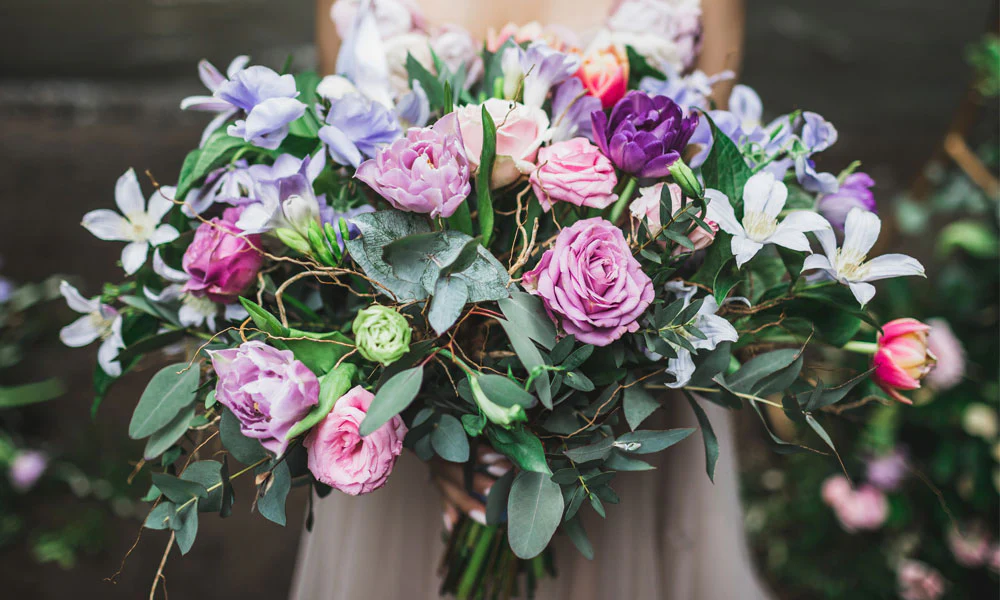
Despite those alternatives, flowers still hold one of the most enduring gestures in funeral traditions. The reason is partly historical and partly psychological.
Research in horticultural science has found that a large majority of people view sympathy flowers as a meaningful expression of care for grieving families. (journals.ashs.org) Their presence also shapes the emotional atmosphere of memorial spaces, softening the environment and creating a visual expression of collective support.
Flowers communicate more than words do.
They represent presence.
When dozens of arrangements arrive at a service, each one reflects a relationship—friends, coworkers, extended family, neighbors. The display represents the community that is surrounding the grieving family.
That’s why floral tributes still are a significant factor in memorial rituals. When flowers are selected thoughtfully, they help to share symbols of remembrance. For readers looking to understand how these arrangements are typically chosen or structured, additional context can be found here
The Real Question Isn’t “Flowers or Not”
Funeral etiquette often gets reduced to a checklist: send flowers, write a card, attend the service. But grief rarely follows rules neatly.
The most thoughtful gestures, whether donations, practical help, memory tributes, or flowers, share a common purpose. They allow people to participate in mourning in a visible way.
That participation matters.
It reminds the bereaved that loss does not isolate them from the world around them. Instead, it reveals the relationships that existed around the person who passed.
And sometimes, the most meaningful tribute is simply the one that shows you paused long enough to care.