

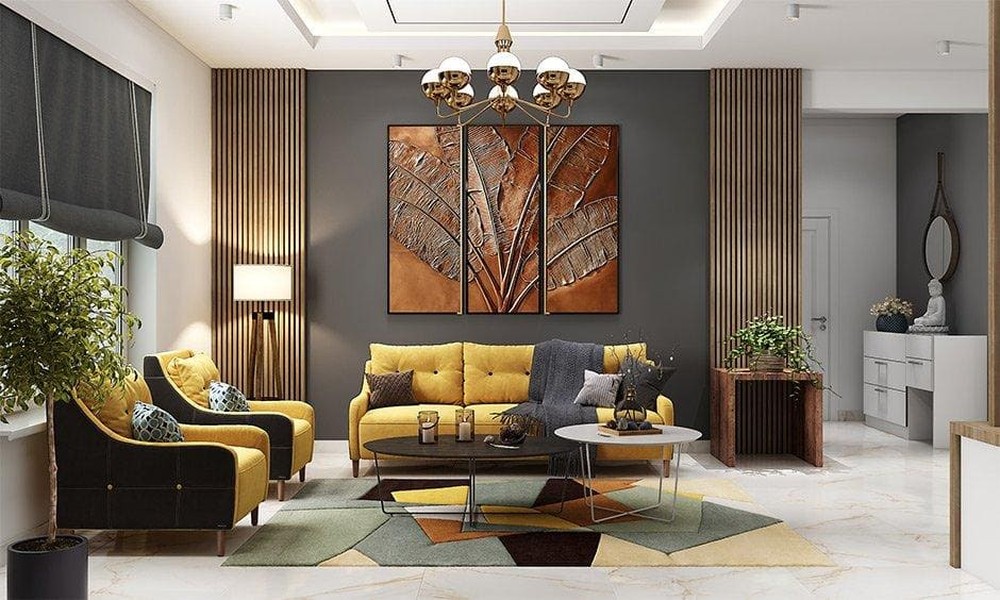
Key Takeaways
- Mid century modern furniture combines clean lines, organic shapes, and timeless craftsmanship to create elegant and functional living spaces.
- Iconic furniture pieces can serve as visual centerpieces while also adding character and sophistication to any room.
- Thoughtful color palettes and natural materials help establish warm, balanced, and inviting interiors.
- Compact and multi-functional designs make mid century modern furniture ideal for maximizing smaller living areas.
- Customization options allow homeowners to personalize furnishings and create spaces that reflect their unique style.
- Blending mid century modern furniture with contemporary decor creates a cohesive and visually engaging environment.
How Mid Century Modern Furniture Creates Timeless Elegance
There’s a reason why mid century design continues to dominate interior trends decades after its introduction. The simplicity, functionality, and artistic appeal of mid century modern furniture make it one of the most versatile styles for transforming living spaces.
Iconic Designs That Never Go Out of Style
Certain furniture designs instantly elevate a room. Pieces like the Eames lounge chair, Saarinen tulip table, and low-profile credenzas have become timeless staples because they blend beauty with practicality.
These designs stand out because they feature:
- Clean and uncluttered lines
- Organic curves and shapes
- Functional craftsmanship
- Balanced proportions
Rather than overwhelming a room, these furnishings create a subtle sophistication that feels refined yet comfortable.
The Power of Color and Natural Materials
Color plays a major role in the mid century modern aesthetic. Earthy neutrals mixed with bold accents can dramatically alter the mood of a room.
Popular combinations include:
- Warm walnut wood tones
- Olive green and mustard yellow accents
- Soft beige and cream neutrals
- Matte black or brass details
Natural materials such as wood, leather, and textured fabrics add warmth and depth while preserving the minimalist appeal that defines mid century modern furniture.
Maximizing Space with Smart Furniture Design
One of the biggest advantages of mid century modern design is its ability to make rooms feel larger and more functional.
Why Mid Century Furniture Works Well in Small Spaces
The sleek profiles and raised legs common in mid century pieces create a more open visual flow. Unlike bulky furniture, these designs prevent rooms from feeling overcrowded.
Designers often recommend:
- Low-profile sofas
- Slim coffee tables
- Open shelving
- Light-colored furnishings
These elements contribute to a cleaner and more spacious atmosphere.
Multi-Functional Furniture for Everyday Living
Modern living often demands flexibility, and mid century furniture delivers exactly that. Many pieces are designed to serve multiple purposes while maintaining a stylish appearance.
Examples include:
- Storage ottomans
- Expandable dining tables
- Sofa beds
- Media consoles with hidden storage
These practical solutions help homeowners reduce clutter without sacrificing aesthetics.
Personalizing Your Space with Mid Century Style
Customization allows homeowners to transform standard furniture into something more meaningful and unique.
Why Customization Matters
Personalized furniture creates a stronger connection between the homeowner and the living space. Many people choose custom fabrics, finishes, and colors to better reflect their personalities and lifestyles.
Popular customization options include:
- Velvet upholstery
- Unique wood stains
- Brass or matte black hardware
- Limited-edition fabric patterns
Custom details can turn ordinary furniture into standout statement pieces.
Adding Personal Touches Around the Furniture
Accessories and decor complete the overall atmosphere of a room. Carefully selected details can make mid century modern furniture feel even more inviting and expressive.
Popular additions include:
- Vintage artwork
- Sculptural lighting
- Indoor plants
- Decorative ceramics
- Minimalist rugs
These accents help create balance while showcasing the homeowner’s individual style.
Blending Mid Century Modern with Contemporary Decor
One reason mid century modern design remains relevant is its ability to blend seamlessly with modern interiors.
Finding Balance Between Old and New
Mixing design eras can create a fresh and dynamic aesthetic when done thoughtfully. Pairing classic mid century pieces with contemporary decor often results in a sophisticated and layered interior.
For example:
- A modern sectional paired with a vintage walnut coffee table
- Contemporary lighting alongside retro dining chairs
- Minimalist decor combined with bold geometric patterns
The key is maintaining harmony through consistent tones, textures, and proportions.
Using Texture and Shape to Create Cohesion
Even when mixing styles, visual balance is essential. Repeating similar materials or shapes throughout the room creates continuity.
Designers often suggest:
- Combining wood and metal finishes
- Using geometric artwork
- Repeating curved silhouettes
- Layering neutral tones with bold accent colors
These techniques help tie different furniture styles together naturally.
The Role of Lighting in Mid Century Design
Lighting is one of the most overlooked elements in interior design, yet it significantly impacts how furniture and decor are perceived.
Statement Lighting as Functional Art
Mid century interiors frequently feature sculptural lighting fixtures that double as decorative art pieces.
Popular choices include:
- Arc floor lamps
- Sputnik chandeliers
- Globe pendant lights
- Brass table lamps
These fixtures enhance the atmosphere while complementing the clean lines of the furniture.
Creating Warm and Inviting Spaces
Soft, layered lighting works especially well with mid century modern furniture because it emphasizes texture and warmth.
A combination of:
- Ambient lighting
- Accent lighting
- Natural light
can completely transform the mood and comfort level of a living space.
Why Mid Century Modern Furniture Remains Popular
The enduring appeal of mid century design comes from its perfect balance of style and practicality.
Timeless Functionality
Unlike overly trendy furniture styles, mid century modern pieces are designed for everyday use while still maintaining visual elegance.
Their appeal lies in:
- Long-lasting craftsmanship
- Versatile aesthetics
- Functional layouts
- Minimal visual clutter
This balance makes the style adaptable for nearly any home.
A Style That Evolves with Modern Trends
Even as interior design trends change, mid century modern furniture continues to evolve alongside contemporary influences. Its simplicity allows it to pair effortlessly with modern textures, colors, and layouts.
Whether incorporated into a minimalist apartment or a larger family home, the style consistently creates spaces that feel curated, welcoming, and timeless.
FAQ
What defines mid century modern furniture?
Mid century modern furniture is known for clean lines, organic shapes, minimal ornamentation, and functional design inspired by the mid-20th century era.
Is mid century modern furniture suitable for small apartments?
Yes. Its slim profiles and open designs help smaller rooms feel more spacious and less cluttered.
What materials are commonly used in mid century modern furniture?
Common materials include walnut wood, teak, leather, metal, and textured fabrics.
Can mid century modern furniture work with contemporary decor?
Absolutely. The simplicity of the style allows it to blend easily with modern furniture, lighting, and accessories.
Which colors work best with mid century interiors?
Earth tones like olive green, beige, rust, mustard yellow, and walnut brown pair exceptionally well with the style.
How can homeowners personalize mid century modern furniture?
Customization options such as unique upholstery fabrics, custom finishes, and decorative accents help create personalized interiors.
Why is lighting important in mid century modern design?
Lighting enhances textures, creates warmth, and acts as a decorative focal point that complements the furniture’s clean lines.
Is mid century modern furniture still trendy today?
Yes. Its timeless appearance and functional design continue to make it one of the most popular interior design styles today.
