

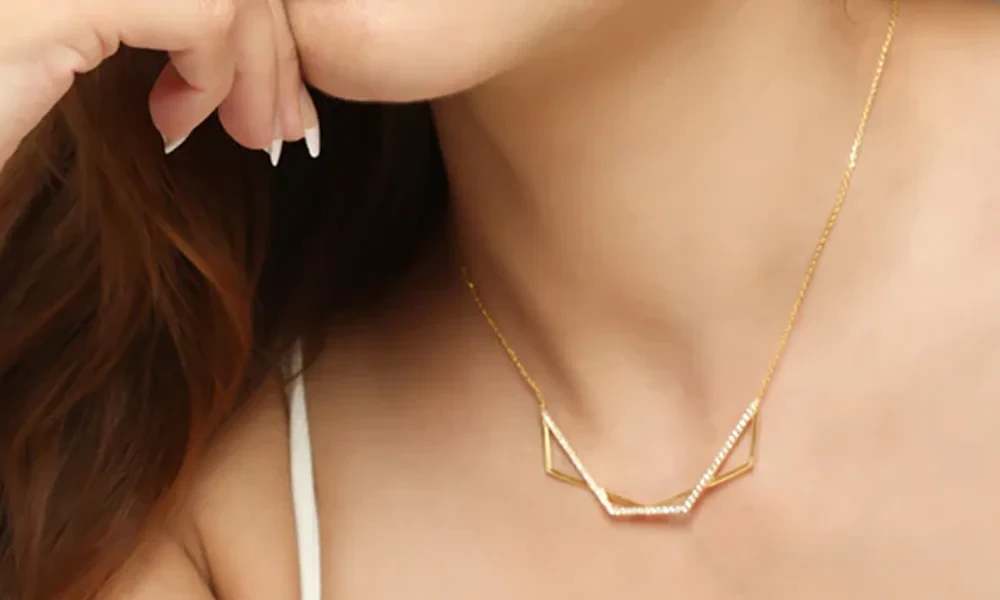
Jewellery has always represented more than beauty and luxury. It reflects personal style, celebrates meaningful occasions, and often becomes a treasured possession passed down through generations. However, the way people discover, purchase, and appreciate fine jewellery has changed significantly. Modern customers are looking beyond traditional designs and focusing on quality, authenticity, craftsmanship, and personalised shopping experiences.
Today, UK Jewellers are responding to these changing expectations by combining traditional expertise with modern shopping experiences. From luxury watches and diamond rings to contemporary jewellery collections, the industry continues to evolve while maintaining its commitment to timeless elegance.
The Evolution of Jewellery Shopping in the UK
Traditional jewellery shopping was once centred around visiting established stores, examining collections, and receiving guidance from experienced professionals. Although these practices remain valuable, modern technology has introduced new ways for customers to explore luxury jewellery.
Online collections, detailed product descriptions, and digital consultations have made jewellery shopping more accessible. Customers can now research gemstones, compare designs, and understand different materials before making a purchase.
However, physical jewellery stores continue to play an important role. Many buyers still appreciate the opportunity to examine craftsmanship, experience the quality of materials, and receive personalised recommendations before investing in valuable pieces.
This combination of digital convenience and traditional service is shaping the future of jewellery retail across the UK.
A Growing Appreciation for Timeless Designs
Fashion trends constantly change, but certain jewellery designs maintain their appeal across generations. Diamond solitaire rings, elegant gold necklaces, classic bracelets, and carefully crafted earrings remain popular choices among customers who value lasting beauty.
Modern buyers are increasingly interested in jewellery that complements different occasions rather than pieces designed exclusively for temporary fashion trends.
Versatility has become an important consideration. A simple diamond pendant can enhance everyday clothing while remaining suitable for formal events. Similarly, a classic gold bracelet can become a signature accessory that reflects individual style.
UK Jewellers are recognising this preference by offering collections that balance contemporary aesthetics with traditional elegance.
Luxury Watches as an Expression of Personal Style
Luxury watches have become an essential part of modern jewellery shopping. Beyond their practical purpose, they represent craftsmanship, precision, and personal identity.
Many customers consider a luxury watch an important purchase because it combines sophisticated engineering with distinctive design. Unlike ordinary accessories, a carefully selected timepiece can remain fashionable for decades.
Collections such as Tudor Watches appeal to enthusiasts who appreciate traditional watchmaking combined with modern performance and design. Their distinctive styling and attention to detail make them attractive to individuals seeking both functionality and elegance.
Luxury watches are also popular gifts for anniversaries, professional achievements, and significant personal milestones. Their lasting appeal reflects the growing demand for accessories that offer emotional meaning alongside practical value.
Personalised Service Makes a Difference
Despite the increasing popularity of online shopping, personalised customer service remains one of the strongest advantages of established jewellery retailers.
Buying fine jewellery often involves important decisions about gemstones, precious metals, ring sizes, and design preferences. Professional guidance can help customers understand these details and choose pieces that suit their expectations.
Established retailers such as Burrells reflect the importance of combining jewellery expertise with a carefully selected range of luxury products. Customers exploring fine jewellery and watches often value knowledgeable assistance when comparing different styles and collections.
Personalised service also creates confidence, particularly when purchasing engagement rings, wedding jewellery, or expensive timepieces.
By understanding individual preferences, jewellery professionals can transform a simple purchase into a memorable shopping experience.
The Importance of Quality and Craftsmanship
Craftsmanship remains one of the defining characteristics of fine jewellery. Customers increasingly want to understand how their jewellery is made, which materials are used, and what contributes to its long-term durability.
Precious metals, carefully selected gemstones, secure settings, and detailed finishing all influence the quality of a jewellery piece.
Modern buyers also recognise that higher prices do not automatically guarantee superior craftsmanship. They are becoming more interested in examining construction quality, material authenticity, and the reputation of the retailer.
Experienced jewellers help customers evaluate these factors, encouraging informed purchasing decisions rather than relying entirely on appearance.
Modern Technology Meets Traditional Expertise
Digital innovation has introduced greater convenience into the luxury jewellery market. Customers can explore collections online, examine product photographs, and narrow their preferences before visiting a showroom.
Some retailers also provide virtual consultations, online appointment scheduling, and educational resources that explain jewellery materials and maintenance.
However, technology is most effective when it complements human expertise. The ability to speak with knowledgeable professionals and physically examine jewellery remains valuable, especially for significant purchases.
This balanced approach allows traditional jewellery businesses to remain relevant while meeting the expectations of digitally connected customers.
Jewellery as a Meaningful Long-Term Purchase
Modern jewellery shopping increasingly emphasises emotional significance rather than appearance alone. Customers often choose pieces that symbolise relationships, achievements, or important life experiences.
An engagement ring may represent commitment, while a luxury watch can commemorate career success. A carefully selected necklace may become a family heirloom with sentimental value extending beyond its original purchase.
This emotional connection encourages buyers to prioritise timeless designs, dependable craftsmanship, and lasting quality.
Jewellery retailers that understand these motivations can offer more meaningful experiences and build stronger relationships with their customers.
Conclusion
The modern jewellery industry is evolving through a thoughtful combination of tradition, innovation, and personalised service. While digital technology has transformed how customers explore luxury collections, craftsmanship and professional expertise remain central to the shopping experience.
From elegant diamond jewellery to sophisticated luxury timepieces, UK Jewellers continue to adapt to changing customer preferences without losing their traditional identity.
As shoppers increasingly prioritise quality, authenticity, and meaningful purchases, timeless elegance remains an essential part of modern jewellery shopping.
