

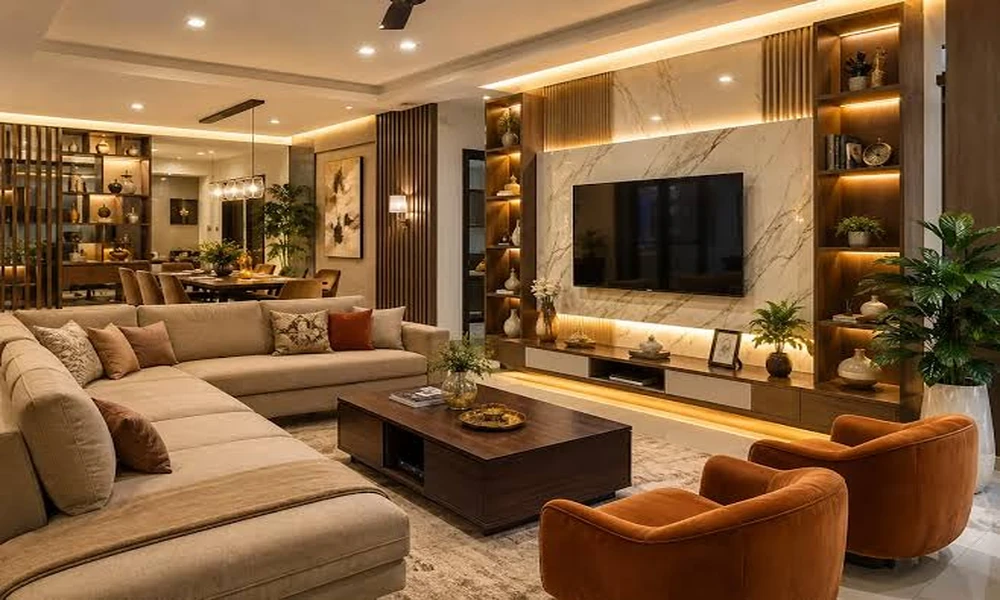
A good furniture store Singapore is not the one with the biggest showroom but the one that helps you choose pieces that work in your actual rooms. Singapore homes range from compact HDB flats to larger condominiums and landed houses, and furniture that looks right in a showroom can overwhelm a small living room or feel lost in a large one. Shopping with a clear sense of each space, its function and its limits makes the process faster and the results better. This guide explains how to choose furniture for different living spaces.
Start With How Each Room Is Used
Before visiting any shop, think about how each room is actually used. A living room might be for relaxing, entertaining guests or watching television. A bedroom may double as a study. A dining area might also serve as a work-from-home desk. Listing these uses helps you choose furniture that supports daily routines rather than just filling space. It also helps you avoid buying pieces that look good but do not suit how you live.
Measuring Before You Shop
Accurate measurements prevent costly mistakes. Measure each room, noting windows, doors, power points and air-conditioning units. Also measure doorways, corridors and lifts, since large items must pass through them during delivery. Mark out the footprint of key pieces with tape on the floor to see how much space they take up. This simple step helps you visualise layouts and avoid furniture that is too large for the room.
Living Rooms
The living room usually has the sofa as its centrepiece. Consider:
- Sofa size and depth relative to the room
- Whether a sectional or separate seats suit the layout
- Coffee and side tables that leave space to move
- Storage units for media and everyday items
In smaller flats, lighter colours and furniture with visible legs can make the space feel larger.
Bedrooms
Bedrooms need furniture that supports rest and storage. Choose a bed size that leaves room to walk around comfortably. Storage beds with drawers or lift-up bases are useful in smaller homes. Wardrobes should suit the available wall space, with sliding doors where swing space is limited. Bedside tables, lighting and a mirror complete the room. In children’s rooms, adaptable pieces that grow with the child can save money over time.
Dining Areas
Dining tables should fit comfortably with chairs pulled out and space to walk behind them. Round tables can suit smaller spaces and encourage conversation. Extendable tables are practical for households that entertain occasionally. Consider the materials too, since solid wood, laminate, glass and stone each have different care needs. Chairs should be comfortable for longer meals and easy to clean.
Home Offices and Study Corners
Working from home has made desks and chairs essential in many households. A good home office setup includes a desk at the right height, a supportive chair and adequate lighting. In smaller homes, a compact desk in a bedroom or living room corner can work well. Storage for documents and equipment helps keep the space tidy. A furniture store Singapore with a range of home office pieces makes it easier to find items that fit both the space and the decor.
Choosing Materials
Materials affect how furniture looks, feels and lasts. Common choices include:
- Solid wood for durability and a natural look
- Engineered wood for affordability and consistent finishes
- Metal for strength and a modern style
- Fabric and leather for upholstery, each with different care needs
In humid conditions, choose materials and finishes that resist moisture and mould.
Balancing Style and Function
Furniture should look good and work well. Choose a consistent style or colour palette so pieces feel connected across rooms. At the same time, prioritise function, especially for items used every day, such as sofas, beds and dining chairs. Comfort and durability matter more than trends. Mixing a few statement pieces with practical basics often gives the best results.
Planning Delivery and Assembly
Ask about delivery timelines, charges and assembly services before buying. Check whether the shop will remove packaging and dispose of old furniture. Make sure someone is home to receive the delivery and that access is clear. For HDB flats and condominiums, check any rules on delivery times or lift bookings. Good planning makes delivery day smooth and stress-free.
Mixing New Pieces With What You Own
Few households replace everything at once. Before buying, note which existing pieces you are keeping and how new items will sit beside them. Matching wood tones exactly is difficult, so contrasting finishes often look more deliberate than near-misses. Bring photos and measurements of key existing pieces when you visit a shop, which makes it easier for staff to suggest items that work with what you already have rather than against it.
Shopping With Confidence
Choosing furniture for different spaces starts with understanding how each room is used and how much space is available. Measure carefully, choose materials suited to the climate and balance style with function. Compare options for each room and plan delivery in advance. Visiting a well-stocked furniture shop in Singapore for home and office with clear measurements and priorities makes the process faster and the results more satisfying.
