

Key Highlights
- Daily hair shedding is a natural part of the hair growth cycle.
- Persistent thinning often requires closer attention than temporary shedding.
- Scalp health influences the strength and longevity of hair growth.
- Early assessment can help identify suitable treatment options.
The Truth Behind Daily Shedding
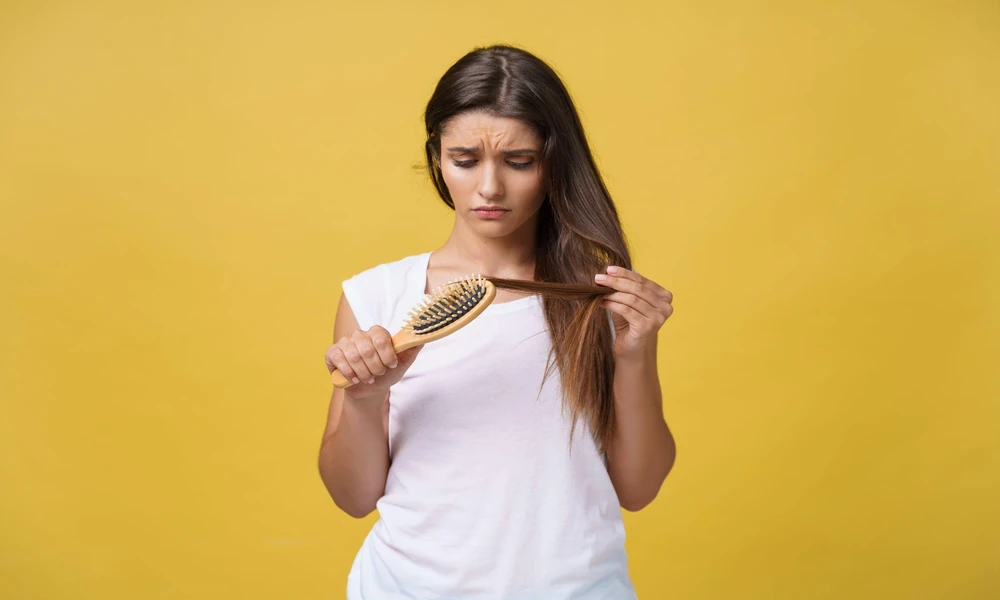
Finding loose strands on your pillow, clothing, or hairbrush can be worrying, especially when it seems to happen every day. Many people immediately assume they are losing their hair, but shedding is actually a normal part of the hair growth cycle and affects everyone to some degree. A consultation at a hair salon in Orchard, Singapore can also help determine whether what you are experiencing is part of this natural process or something that requires further attention.
Recognising the difference between everyday shedding and genuine hair loss is important before jumping to conclusions. When changes begin to feel unusual, an anti-hair loss treatment may be worth exploring, but understanding the cause should always come before choosing a solution.
Is Hair Shedding Always Normal?
It is completely natural to worry when you see extra strands in your hairbrush or down the shower drain, but hair loss is a core part of your body’s renewal process. Every strand on your head goes through a continuous cycle of growing, resting, and shedding to make room for new growth.
- The Daily Growth Cycle: Losing anywhere from 50 to 100 strands a day is normal, as fresh hair continually replaces what falls out.
- Temporary Stress Spikes: Major stress, illness, hormonal shifts, or big lifestyle changes can temporarily shock more strands into the shedding phase at once.
- Natural Recovery: In most cases, stress-induced shedding resolves on its own, and your hair returns to its regular growth pattern over time.
- Routine Awareness: Noticing loose hair on your clothes, pillowcase, or shower floor is usually just you becoming more aware of the process, rather than going bald.
If you are ever unsure whether your shedding falls within a healthy range, dropping by a hair salon in Orchard for a quick chat can offer peace of mind. A stylist can check your scalp health, suggest gentle care routines, and help you determine if what you are seeing is normal biological shedding or something that needs extra attention.
When Shedding May Be Something More
Hair loss often develops differently from ordinary shedding. Rather than simply noticing more strands falling out, you may observe widening part lines, reduced volume, slower regrowth, or visible thinning around certain areas of the scalp. These changes usually become more noticeable over time.
Instead of waiting for the condition to progress, many people choose to seek an assessment once these signs appear. Identifying contributing factors early creates more opportunities to improve the overall health of both the scalp and the hair.
Depending on the findings, an anti-hair loss treatment may be recommended as part of a personalised plan designed to support healthier hair growth.
Scalp Health Deserves Equal Attention
Healthy hair depends on a healthy scalp. Excess oil, product build-up, irritation, or poor scalp condition may affect the environment where hair grows, making it more difficult for strands to remain strong throughout their natural life cycle.
Improving scalp health often involves more than changing shampoos. Professional assessments can identify concerns that are not immediately visible while recommending suitable care based on your individual needs rather than a one-size-fits-all approach.
Many clients visit a hair salon in Orchard to better understand their scalp condition before deciding on the most suitable approach to improving long-term hair health.
Can I Prevent Early Hair Loss?
While daily shedding is completely normal, turning a blind eye to persistent thinning or structural changes can make recovery trickier down the road. Catching early warning signs gives you the best chance at protecting your density before hair loss becomes more obvious.
| Early Sign | Why Early Action Matters |
| Gradual Scalp Thinning | Identifying widening parts or a receding hairline early helps preserve active hair follicles before they shrink permanently. |
| Texture & Diameter Changes | Strands growing in finer or weaker signals follicle miniaturisation, which is easier to reverse when caught quickly. |
| Slower Regrowth Rates | Longer gaps between shedding and new growth indicate an unhealthy scalp environment that needs targeted stimulation. |
| Persistent Volume Loss | Catching continuous density loss early lets you explore preventative care before major damage occurs. |
For individuals experiencing persistent thinning rather than temporary shedding, a targeted anti-hair loss treatment can form a crucial part of a broader strategy. Addressing scalp health early nourishes weakened roots, balances the hair growth cycle, and provides long-term peace of mind for your hair’s future.
Prioritising Your Scalp Health
Hair shedding is a natural process that everyone experiences, but it should not be confused with ongoing hair loss. Understanding the difference allows you to respond appropriately rather than making assumptions based on a few loose strands. When noticeable thinning or changes in hair density continue over time, seeking professional advice can help you make informed decisions about the next steps.
Contact Stile Hair Studio to arrange a personalised consultation and discover solutions that support healthier hair and scalp care.
Frequently Asked Questions
- Is it normal to lose hair strands every single day?
Yes, losing 50-100 hairs daily is standard as your hair cycles through its growth. - Why does my hair feel much thinner than it was before?
Thinning can occur due to stress, hormonal shifts, or poor scalp health over time. - How do I tell if it is hair loss or just shedding?
Shedding is often temporary, while hair loss shows widening parts and low volume. - Will high stress levels make hair fall out faster?
Yes, high stress can shock hair into the shedding phase, but it usually recovers. - When should I see a professional for my hair loss?
See a stylist if you notice persistent thinning, widening parts, or less volume.
